






7 Costly Insulation Mistakes Homeowners Make and How to Avoid Them
Expert Guidance for Better Efficiency
Choosing the Wrong R-Value for Illinois Climate Zones
Selecting an inadequate R-value remains one of the most financially damaging decisions homeowners make during insulation projects. The R-value measures thermal resistance, and Illinois requires specific minimums based on climate zone designation. Mattoon falls within a zone that experiences both humid summers and cold winters, demanding insulation that performs year-round.
Many property owners underestimate their attic requirements, installing R-30 when R-49 to R-60 would deliver superior performance. This shortfall forces heating and cooling systems to work harder, increasing utility expenses by 20 to 40 percent annually. Wall cavities present similar challenges, particularly in older construction where minimal insulation was originally installed.
The moisture patterns characteristic of east-central Illinois compound this issue. Insufficient R-value creates temperature differentials that lead to condensation within wall assemblies, promoting mold growth and structural deterioration. Proper specification prevents these outcomes while maximizing energy savings.
Professional assessment accounts for building orientation, existing HVAC capacity, and local weather data. This analysis ensures the selected R-value aligns with both code requirements and long-term efficiency goals, protecting your investment through every season.
Ignoring Air Sealing Before Installation
Air leakage undermines insulation performance more than any other single factor. Gaps around electrical boxes, plumbing penetrations, and rim joists allow conditioned air to escape while drawing in outside temperatures. Adding insulation over these openings without proper sealing wastes money and materials.
Studies demonstrate that air infiltration accounts for 25 to 40 percent of heating and cooling losses in typical residential structures. The stack effect intensifies this problem during winter months, as warm air rises and exits through attic openings, pulling cold air in through lower-level gaps. This continuous cycle defeats even high R-value materials.
Effective air sealing requires specialized products and application techniques. Spray foam excels at filling irregular cavities around pipes and wires, while weather-resistant barriers address larger openings. The sequence matters: sealing must precede insulation installation to achieve optimal results.
Thermal imaging reveals hidden air pathways that visual inspection misses. Professional evaluation identifies these problem areas before material installation, ensuring every dollar spent on insulation delivers maximum return through reduced energy consumption and improved comfort.
Compressing Fiberglass or Cellulose Materials
Insulation relies on trapped air pockets to resist heat transfer. When fiberglass batts or blown cellulose get compressed, these air spaces collapse and thermal resistance drops dramatically. A compressed R-30 batt may perform at R-22 or lower, negating the intended benefit.
This mistake occurs frequently during storage, transportation, or installation. Forcing oversized batts into shallow cavities, stacking materials in attics, or stuffing insulation around obstructions all reduce effectiveness. The visible thickness may appear adequate, but the compromised structure fails to deliver rated performance.
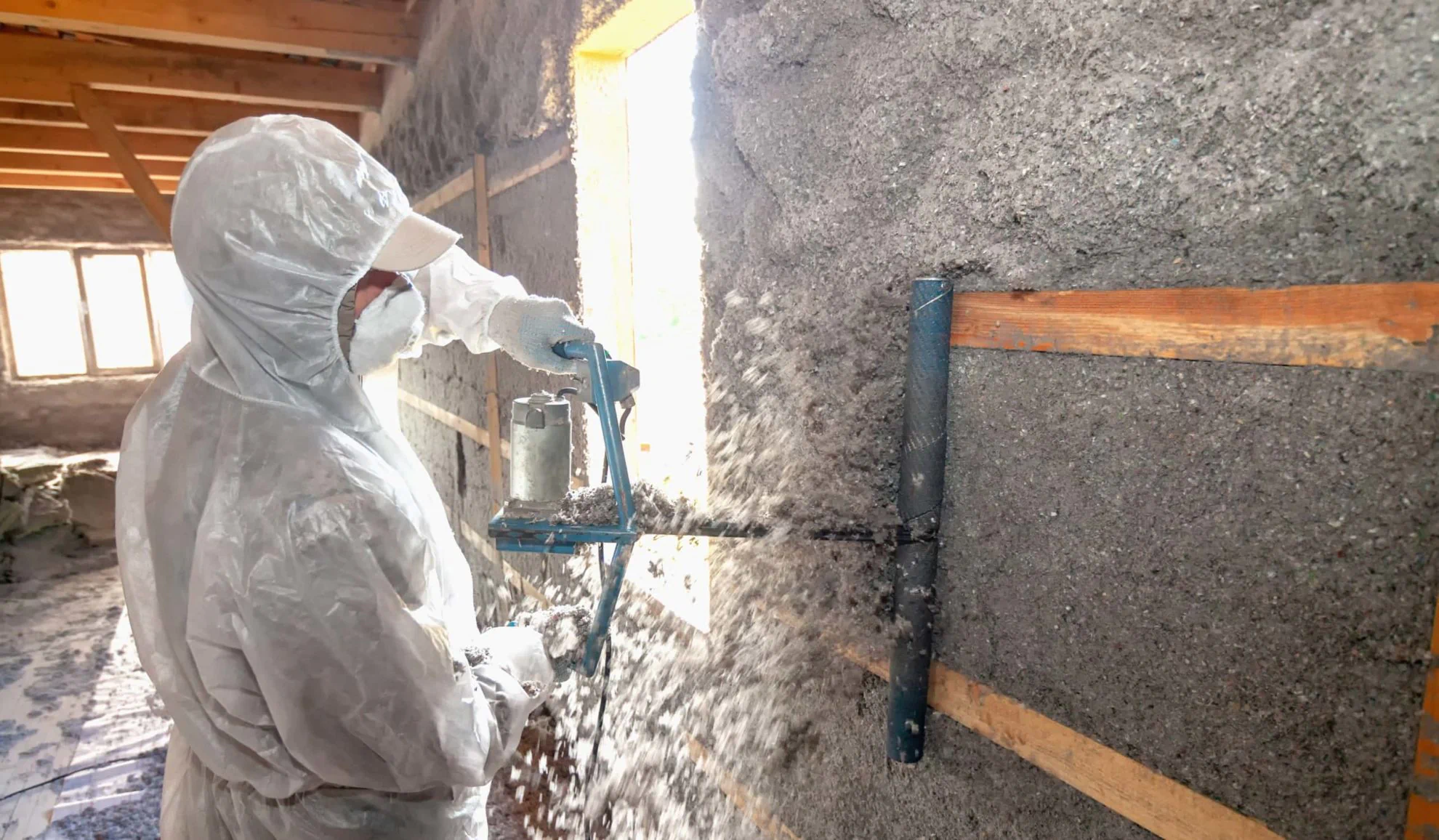
Blown applications face similar risks when installers attempt to achieve target R-values too quickly. Excessive blowing speed or improper settling calculations result in material that compacts over time, leaving homeowners with less protection than anticipated. Proper density specification and installation technique prevent this deterioration.
Professional installers understand material-specific requirements for each application. They select appropriate products for available cavity depths, maintain proper loft during installation, and verify coverage with calibrated tools. This attention to detail ensures you receive the full thermal benefit your project budget intended.
Neglecting Ventilation in Attic Spaces
Balanced attic ventilation works in partnership with insulation to protect roof structures and maintain efficiency. Inadequate airflow traps moisture and heat, creating conditions that damage sheathing, shingles, and framing members. The relationship between ventilation and insulation demands careful coordination during any upgrade project.
Many homeowners block soffit vents when adding attic insulation, particularly around eaves where depth is limited. This obstruction prevents intake airflow, stagnating the ventilation system and allowing humidity to accumulate. During winter, this moisture condenses on cold surfaces, promoting mold growth and wood rot.
Summer brings different challenges. Insufficient ventilation allows attic temperatures to exceed 150 degrees Fahrenheit, accelerating shingle deterioration and forcing cooling systems to combat radiant heat transfer. Proper airflow removes this thermal buildup, extending roof lifespan while reducing energy costs.
Baffle installation maintains clear air channels from soffit to ridge vents. These guides ensure insulation stays positioned correctly while preserving the ventilation pathway. Professional installation accounts for both thermal performance and airflow requirements, delivering a system that protects your home through all seasonal extremes.
Overlooking Moisture Barriers and Vapor Retarders
Moisture management separates successful insulation projects from future repair nightmares. Water vapor moves through building assemblies following temperature and pressure gradients. Without appropriate barriers, this migration leads to condensation, mold contamination, and insulation failure.
Illinois climate creates specific moisture challenges. Winter heating generates interior humidity that seeks colder exterior surfaces. Summer conditions reverse this flow, particularly in air-conditioned spaces. The vapor retarder placement must account for predominant moisture direction to function effectively.
Kraft-faced batts include an integral vapor retarder suitable for many applications, but installation orientation matters critically. The facing must contact the warm-in-winter side of the assembly. Reversed installation or damaged facing eliminates this protection, allowing moisture to compromise thermal performance.
Spray foam applications alter moisture dynamics significantly. Closed-cell formulations provide their own vapor barrier, while open-cell products require additional moisture management strategies. Understanding these material-specific characteristics prevents costly moisture-related failures.
Co Lab Insulation, LLC, evaluates moisture patterns specific to your property during every assessment. Their installation teams apply appropriate vapor control strategies for each application, protecting your investment from hidden moisture damage while maximizing long-term performance. With extensive experience serving Mattoon and surrounding counties, they understand local climate demands and building science principles that keep structures healthy and efficient.
